Guy Willison: The Craft, Career, and Legacy of a British Custom Motorcycle Icon

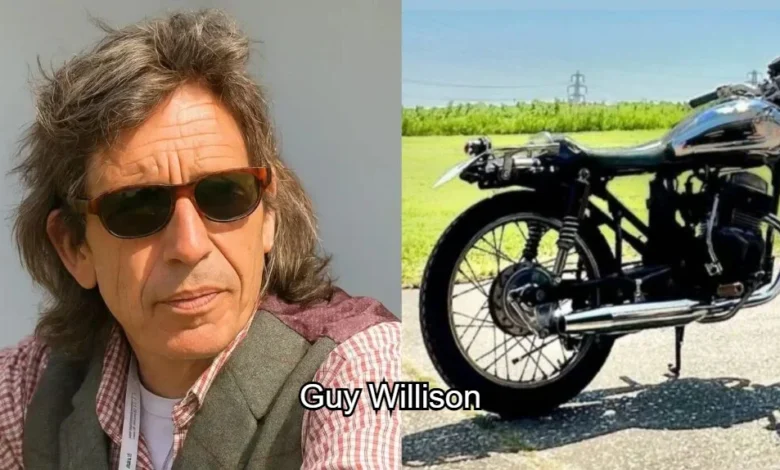
Introduction to Guy Willison
Guy Willison is one of those names that resonates strongly within the custom motorcycle world, especially in the UK. He’s not just a builder or fabricator—he’s someone who has helped shape how modern custom motorcycles are perceived, blending engineering precision with artistic flair. Over the years, his work has earned him a reputation for building bikes that are both mechanically impressive and visually distinctive.
What makes Guy Willison particularly interesting is that he didn’t rise to fame through traditional corporate or industrial pathways. Instead, his journey is rooted in hands-on craftsmanship, workshop experience, and a deep personal passion for motorcycles. This gives his story an authentic, grounded quality that appeals to both enthusiasts and casual viewers alike.
In a world where motorcycle customization can sometimes lean heavily toward trend-following, Willison stands out as someone who prioritizes identity, function, and storytelling in every build. His name has become associated with quality, creativity, and a genuine respect for motorcycle heritage.
Early Life and Passion for Mechanics
Guy Willison’s early life played a crucial role in shaping his future career. From a young age, he showed an interest in how machines worked, often taking things apart just to understand their internal mechanics. This curiosity became the foundation for his later career in motorcycle design and fabrication.
Growing up in the UK, he was exposed to a rich motorcycle culture where engineering and riding traditions are deeply embedded. This environment naturally encouraged his fascination with two-wheel machines, and he quickly developed hands-on skills that would later define his professional identity.
Unlike many who follow formal academic routes into engineering, Willison’s learning process was largely practical. He learned by doing—spending time in workshops, experimenting with tools, and observing experienced builders. This real-world education gave him a unique edge: an intuitive understanding of mechanical systems that cannot be easily taught in classrooms.
Building a Career in Custom Motorcycles
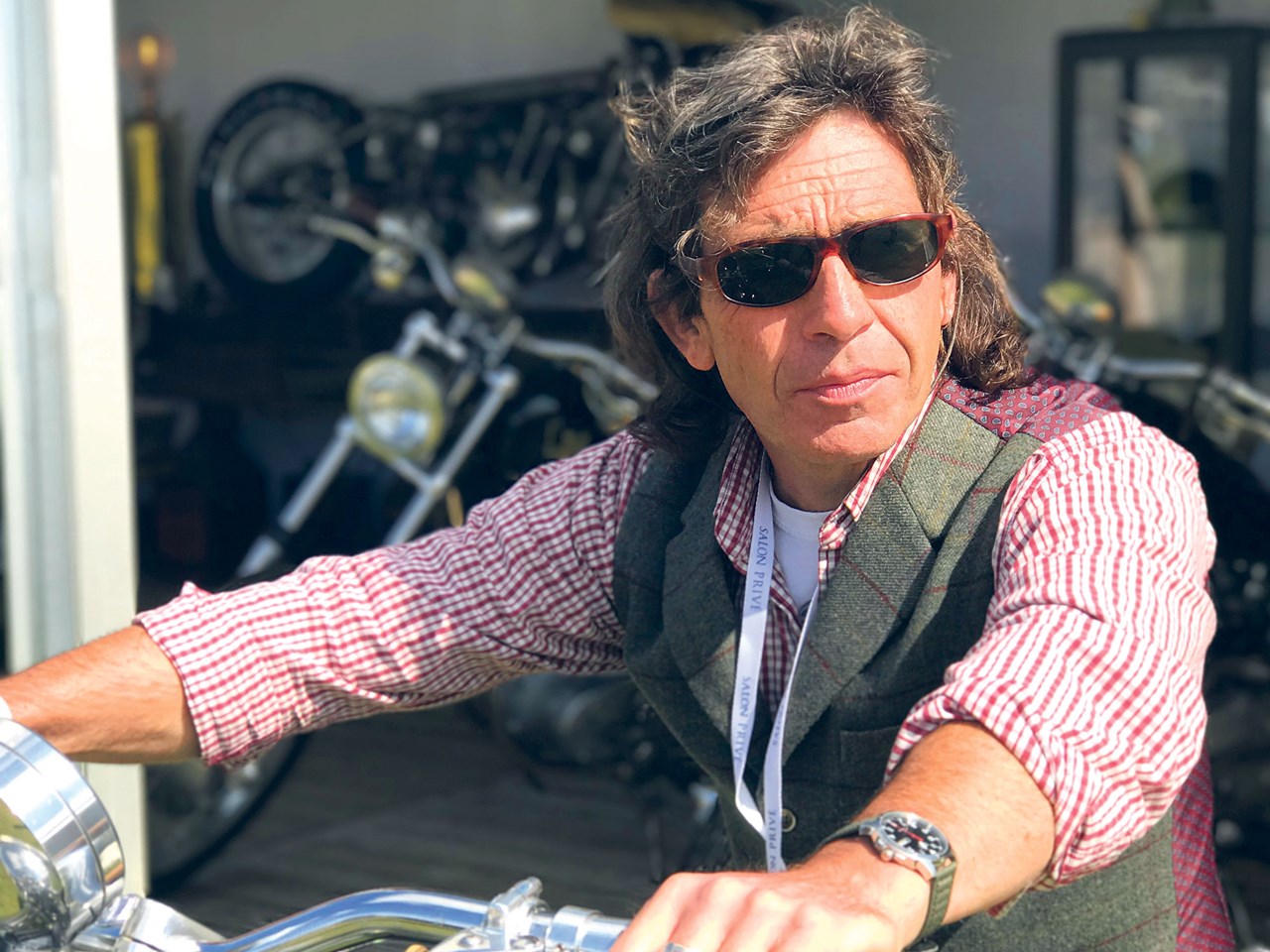
As Guy Willison transitioned into the professional world, he began focusing more seriously on custom motorcycle construction. His early work involved small projects and collaborations, where he refined his fabrication techniques and design philosophy. Each build became a learning experience that pushed his skills further.
Over time, his reputation grew within the custom bike community. Riders and collectors began recognizing his ability to balance aesthetics with performance. His motorcycles weren’t just visually appealing—they were engineered to ride smoothly and reliably, which set him apart from many stylized but impractical builds.
Eventually, Willison co-founded projects and workshops that allowed him to fully express his design identity. His work often reflects a deep respect for classic motorcycle lines while incorporating modern engineering improvements. This Guy Willison between old-school charm and contemporary functionality became a defining trait of his career.
Television Career and Public Recognition
A major turning point in Guy Willison’s career came when he entered the world of television. Through motorcycle-focused programs, he became a recognizable face to a much wider audience beyond the custom bike community. His on-screen presence introduced viewers to the detailed and often complex world of motorcycle building.
Television allowed Willison to showcase not only his finished machines but also the process behind them. Viewers gained insight into welding, fabrication, design decisions, and problem-solving in real time. This transparency helped demystify custom motorcycle building and made it more accessible to enthusiasts.
His personality also played a significant role in his popularity. Calm, knowledgeable, and genuinely passionate, he comes across as someone who values craft over showmanship. This authenticity resonated strongly with audiences and helped establish his credibility as both a builder and a communicator.
Design Philosophy and Craftsmanship Approach
At the core of Guy Willison’s work is a strong design philosophy centered on purpose and balance. He believes that every motorcycle should tell a story, and that story must be reflected in both its form and function. This mindset influences every stage of his building process.
Rather than relying on overly complex or flashy modifications, Willison often focuses on clean lines, thoughtful proportions, and mechanical integrity. His designs are known for being visually refined without losing their raw mechanical character. This restraint is part of what makes his work stand out in a highly competitive industry.
Another key aspect of his philosophy is usability. Many custom motorcycles are built primarily as showpieces, but Willison ensures that his machines remain rideable and practical. This emphasis on real-world performance adds depth to his designs and reinforces his reputation as a true craftsman rather than just a stylist.
Influence on the Custom Motorcycle Scene
Guy Willison’s influence extends far beyond his own builds. Many emerging builders and enthusiasts look to his work for inspiration, particularly his ability to merge tradition with innovation. His approach has helped redefine what modern British custom motorcycles can look like.
Through both his workshop projects and media appearances, he has contributed to a broader appreciation of craftsmanship in motorcycle culture. He has shown that custom building is not just about aesthetics but also about engineering discipline, patience, and creativity.
His impact can also be seen in Guy Willison audiences now engage with custom motorcycles. Thanks to figures like Willison, there is a greater understanding of the effort and skill involved in building these machines. This has elevated the respect for custom builders as serious craftsmen rather than hobbyists.
Personal Work Ethic and Professional Identity
One of the defining traits of Guy Willison is his strong work ethic. He is known for being deeply involved in every stage of a motorcycle build, from initial sketches to final assembly. This hands-on approach ensures consistency and quality throughout his projects.
He also values collaboration, often working with other skilled builders, designers, and engineers. These collaborations allow him to expand his creative boundaries while still maintaining his core design principles. It also reflects his belief that great motorcycles are often the result of shared expertise.
Despite his public recognition, Willison maintains a relatively grounded professional identity. He is not known for excessive self-promotion, preferring instead to let his work speak for itself. This humility has contributed significantly to his respect within the industry.
Legacy and Continuing Impact
Guy Willison’s legacy is still evolving, but his contributions to motorcycle design and culture are already well established. He has helped shape a modern understanding of what custom motorcycles can achieve when craftsmanship and creativity are given equal importance.
His work continues to inspire both established builders and newcomers entering the field. By demonstrating that attention to detail and functional design can coexist beautifully, he has set a standard that many aspire to reach.
Looking forward, his influence is likely to remain strong as long as custom motorcycle culture continues to grow. Whether through television, workshop projects, or future collaborations, his impact on the industry is both meaningful and lasting.
Conclusion
Guy Willison represents a rare combination of builder, designer, and communicator. His journey from hands-on mechanic to respected figure in the motorcycle world reflects a deep commitment to craft and authenticity. Through his motorcycles, media presence, and design philosophy, he has helped shape modern custom culture in a lasting way.
In an industry often driven by trends, Willison stands out for staying true to the fundamentals: engineering quality, artistic balance, and functional beauty. His work is not just about machines—it’s about storytelling through steel, precision, and passion.