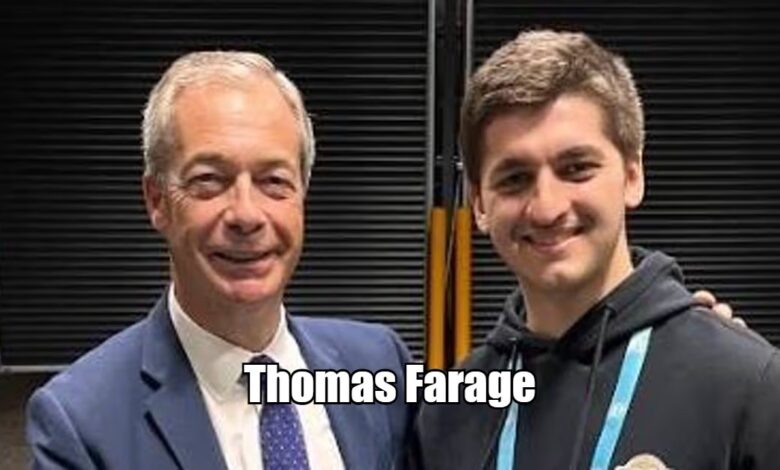
In recent years, the name Thomas Farage has started appearing more frequently in online discussions, especially among people interested in political families, media attention, and public personalities connected to British politics. While he is not as publicly recognized as some members of the Farage family, curiosity around him continues to grow. Many people want to know who Thomas Farage is, what his background looks like, and why his name has attracted attention across online platforms.
The increasing interest in Thomas Farage is also connected to the public visibility of the Farage surname itself. Whenever a family becomes associated with politics, media appearances, or public debate, attention naturally expands to relatives and extended family members. As a result, names that were once mostly private begin appearing in articles, searches, and online conversations.
This article explores Thomas Farage in detail, including the background behind the Farage family name, the reasons people search for him online, and how modern public interest can quickly turn relatively unknown individuals into subjects of widespread curiosity.
Understanding the Farage Family Name
The Farage surname is most strongly connected with British political figure Nigel Farage, who became one of the most recognizable political personalities in the United Kingdom. Because of his long media presence, many individuals connected to the Farage family have also drawn public attention, including relatives whose lives are not necessarily centered around politics.
When people search for Thomas Farage, they are often trying to understand whether he has a direct connection to Nigel Farage or whether he is involved in political activity himself. In many cases, online curiosity grows simply because audiences are interested in the families behind famous public figures. This phenomenon is common across politics, entertainment, and sports.
Another reason the name gains traction online is the modern nature of internet culture. Search engines, social media trends, and discussion forums often amplify lesser-known names when they are associated with recognizable public personalities. Even limited public information can spark significant online speculation and interest.
The Farage name itself has become highly recognizable in British media. Because of this, almost any individual linked to the family can become a topic of online discussion, whether intentionally or not. Thomas Farage appears to fall into this category of growing public curiosity.
Why People Are Searching for Thomas Farage

One of the biggest reasons behind the rise in searches for Thomas Farage is simple curiosity. Internet users often look beyond famous individuals and become interested in their family networks, educational background, careers, and personal lives. This has become especially common in the digital age, where information spreads rapidly through search engines and social platforms.
Another factor is the increasing popularity of biography-style content online. Readers today enjoy learning about people connected to politics, media, or influential families. Even if someone is not a public figure in the traditional sense, audiences may still search for information because they want to understand the broader story behind a well-known surname.
Social media also plays a major role. Once a name starts trending in online discussions, more users search for that person simply to understand why others are talking about them. This creates a cycle where online visibility increases regardless of how much verified information is publicly available.
In some situations, names gain popularity due to mistaken identity, rumors, or speculative discussions. The internet often blurs the line between verified facts and online assumptions. Because of this, individuals like Thomas Farage may suddenly become the subject of growing search interest without actively seeking public attention.
Public Curiosity and Political Families
Political families have always attracted attention, but the internet has intensified that interest dramatically. Decades ago, public attention focused mostly on politicians themselves. Today, audiences often want to know about spouses, children, relatives, and extended family members as well.
This shift is largely connected to digital culture. People consume news differently now, and many readers look for personal stories alongside political developments. Human-interest angles tend to perform well online, which encourages websites and blogs to explore the relatives of public figures.
The Farage family is no exception. Because Nigel Farage spent years in political headlines, public curiosity naturally extended toward people connected to him. Thomas Farage’s growing online visibility reflects this wider trend of interest in political families.
There is also a broader fascination with how family backgrounds influence public identity. Readers often wonder whether relatives share similar beliefs, lifestyles, or ambitions. Even when there is little confirmed public information available, audiences continue searching because they are intrigued by the possibility of discovering connections and insights.
Media Attention in the Digital Era
Modern media operates very differently from traditional journalism of the past. Today, online attention can develop rapidly around almost any name connected to a public figure. Search algorithms, social media discussions, and viral content all contribute to this process.
In the case of Thomas Farage, digital curiosity appears to be a major reason behind his growing recognition. The internet rewards topics that generate clicks, searches, and discussion. Once a name begins attracting traffic, additional content is often created around it, increasing visibility even further.
This environment creates a unique challenge for individuals connected to famous families. Even if they prefer a private lifestyle, public curiosity can still pull them into online conversations. Sometimes the attention is harmless, but in other cases it can lead to speculation and misinformation.
Another important point is that online information is not always reliable. Readers should approach lesser-known biography content carefully and focus on verified details rather than assumptions or rumors. Public curiosity can sometimes encourage websites to publish unconfirmed claims simply to attract clicks.
Privacy and Public Interest
An important discussion surrounding people like Thomas Farage involves the balance between public interest and personal privacy. Being connected to a well-known family does not automatically mean someone wants a public life. However, online culture often removes that distinction.
Many individuals connected to politicians or celebrities attempt to maintain low profiles. Despite this, their names may still appear online because audiences are curious about family relationships and personal backgrounds. This situation has become increasingly common in the social media era.
Privacy concerns are especially relevant when information online is incomplete or speculative. Readers sometimes assume that every detail published online is verified, but that is not always true. This is why responsible reporting and careful research remain extremely important.
At the same time, public curiosity is unlikely to disappear. The internet thrives on personal stories, family connections, and behind-the-scenes perspectives. As long as major public figures remain in the spotlight, interest in their relatives will probably continue as well.
The Role of Online Biography Culture
Over the last decade, online biography culture has expanded significantly. People now search for information about individuals who might previously have remained completely outside public awareness. Family members, former classmates, business associates, and distant relatives of public figures often become subjects of online articles.
This trend explains why names like Thomas Farage receive growing attention. Readers are no longer satisfied with basic headlines about famous personalities. They want deeper context, personal stories, and background information about the people connected to them.
Biography-style articles are particularly popular because they combine storytelling with public curiosity. Readers enjoy learning about personal journeys, family dynamics, and lesser-known details connected to recognizable names. As a result, search interest around individuals connected to famous families continues increasing.
The internet has also made information more accessible than ever before. Search engines quickly collect and organize content from multiple sources, which means even relatively unknown names can suddenly gain visibility if enough people begin searching for them.
Public Perception and Online Speculation
One challenge faced by lesser-known individuals connected to famous families is the issue of speculation. Online audiences often attempt to fill gaps in public knowledge with assumptions, theories, or rumors. This can create confusion and misinformation.
Public perception is frequently shaped by social media conversations rather than verified reporting. A single viral post or discussion thread can lead thousands of people to search for a name within hours. Once that happens, online interest tends to grow rapidly.
Thomas Farage appears to be an example of how digital attention can develop around someone largely because of family association and public curiosity. Even limited information can become amplified online when connected to a recognizable surname.
This environment highlights the importance of careful reading and critical thinking. Not every online claim is accurate, and many articles are based on speculation rather than confirmed facts. Readers should always look for reliable sources and avoid spreading unverified information.
Conclusion
Thomas Farage has become a name of growing online curiosity, largely due to the public recognition attached to the Farage family. In today’s digital environment, individuals connected to politics or media personalities often attract attention even if they maintain relatively private lives.
The rise in searches for Thomas Farage reflects broader trends in internet culture, including fascination with political families, online biography content, and social media-driven curiosity. People naturally want to understand the personal networks surrounding famous public figures, and search engines make that curiosity easier than ever to pursue.